Starting high school is a significant milestone for both students and families. The first day often brings a mix of excitement, pride and understandable nerves as new routines, expectations and opportunities begin.
At St Hilda’s, we recognise that this transition is a shared journey. With care, preparation and support, early nerves give way to confidence, connection and a strong sense of belonging.
Below are practical tips to help parents support their child as they begin high school.
1. Encourage your daughter to ask for help early
One of the most important messages you can reinforce is that support is always available. Whether your daughter is unsure about schoolwork, organisation or friendships, asking for help early makes a difference.
Encourage her to speak with teachers, tutors or wellbeing staff if something does not feel right. Normalising seeking help builds resilience and confidence.
2. Support strong organisational habits at home
High school brings more subjects, different teachers and varied expectations. Simple routines at home can help your daughter feel prepared and in control:
- Packing her bag the night before
- Charging devices overnight
- Checking her timetable each evening
- Establishing a consistent space for schoolwork
These habits reduce morning stress and support independence.
3. Help her plan ahead for learning
Many students are surprised by the increased responsibility for managing homework and assessments. Encourage your daughter to break tasks into smaller steps and avoid leaving work until the last minute.
If she is unsure how to study effectively, remind her that learning strategies develop over time and it is okay to ask for guidance.
4. Be patient with social adjustments
Friendships often change during the transition to high school. Some girls find their feet quickly, while others take more time to form connections.
Reassure your daughter that this is normal. Encourage openness, kindness and involvement in activities, without pressure to have everything sorted immediately.
5. Encourage involvement beyond the classroom
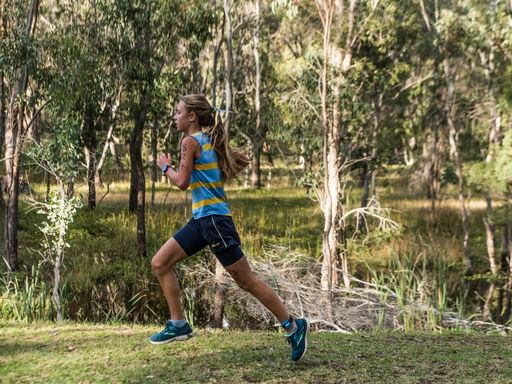
Extracurricular activities play an important role in helping students feel connected. Sport, music, clubs and leadership opportunities allow girls to explore interests, develop skills and build friendships outside the classroom.
Trying something new can feel daunting, but participation often boosts confidence and belonging.
6. Prioritise wellbeing and balance
Busy school days require energy and focus. Supporting healthy routines around sleep, nutrition and downtime is essential.
It can also help for your daughter to feel practically prepared, such as keeping personal items in her bag so she feels confident managing the day independently.
7. Normalise mistakes and learning curves
High school is a time of growth. Mistakes are part of learning, and progress rarely looks perfect. Reinforce that effort, persistence and reflection matter more than results alone.
Your calm reassurance can help your daughter navigate challenges with confidence.
The transition to high school is a journey, not a single moment. With time, routine and support, most girls develop confidence, independence and a strong sense of self.
By encouraging open communication, positive habits and self-belief, you play a vital role in helping your daughter thrive during this important stage.
WANT TO KNOW MORE ABOUT ST HILDA’S SENIOR SCHOOL – CLICK HERE