Plastic pollution is becoming an increasingly serious global issue, and the use of plastic brings several disadvantages that impact many aspects of daily life.
In Year 7 ESSTEAM, our students have been exploring this issue of plastic pollution and have been tasked with creating practical, innovative solutions.
Exploring the Plastic Problem
The plastics-focused unit began with a viewing of A Plastic Ocean, which highlighted the extent of plastic pollution affecting our oceans and prompted students to examine their personal connection to the oceans.
Following the documentary, the students reflected on their own plastic use through keeping a 24-hour plastic diary, detailing how often and for what purpose they used plastic in their daily lives.
The next stage involved researching the different types of plastics, resin codes, recycling challenges and possible alternatives, while weighing up the advantages and disadvantages of plastic in everyday life.
Learning from UWA Researchers
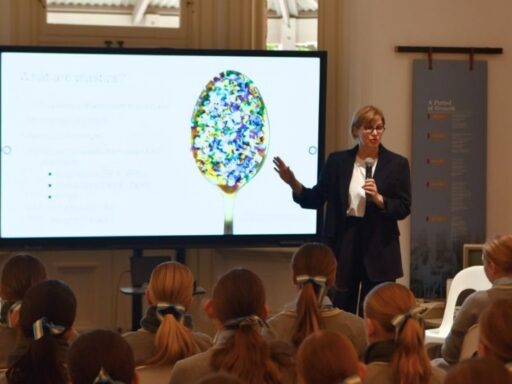
To extend their learning and gain real-world context, students recently had a visit from UWA researchers, Clinical Professor Michaela Lucas and Dr Amelia Harray. The guests highlighted the different types of plastics and plastic chemicals, as well as the ways these microplastics can enter the human body. After sharing information on the presence and effect of plastics on the body, the guests discussed their recently published research, which found that reducing exposure to plastics in food packaging, kitchenware and personal care products can significantly lower plastic chemical levels in the body within just seven days.
The opportunity to hear from leading researchers in the field sparked our students’ curiosity and encouraged them to ask questions about how the issue can be resolved.
From Awareness to Action: Designing Solutions
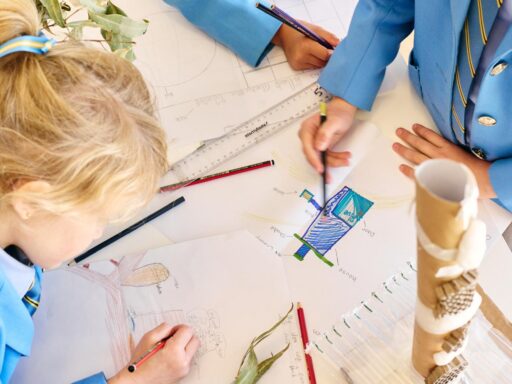
Following the guest presentation, students continued to develop their own solutions to reduce plastic use. The students have identified customer needs and wants, explored concepts through rapid ideation, and applied divergent and convergent thinking to refine them. They are now in the stages of mapping the business case for their ideas using a Lean Canvas model and are preparing a prototype and pitch for the Innovation Showcase in Week 10, where they will present their work to the UWA researchers.
We can’t wait to see the creative and innovative solutions our students come up with!