How effective teaching helps girls build knowledge, confidence and independence
What does effective teaching look like, and how does it change as a girl moves from the early years through to Senior School?
At St Hilda’s, the foundations remain consistent throughout her education. Girls need clear explanations, strong knowledge, opportunities to practise and regular feedback about their understanding. What changes over time is the complexity of the learning, the level of challenge and the independence expected of them.
Our approach brings together two equally important elements: what research tells us about how children and young people learn, known as the Science of Learning, and the skill, experience and professional judgement of a teacher who knows each girl and can respond to what she needs, known as the Art of Teaching.
Together, these elements help our girls become knowledgeable, curious and increasingly confident learners.
What is the Science of Learning?
The Science of Learning draws on research into how people acquire, remember and apply knowledge.
Research shows that girls learn best when new ideas are explained clearly, introduced in manageable steps and revisited over time. Teachers also need to check understanding regularly rather than assuming that everyone is ready to move on.
In the classroom, this may involve a teacher:
- modelling a new skill or explaining a difficult concept
- breaking complex information into smaller stages
- revisiting earlier learning
- asking questions to identify gaps in understanding
- giving girls opportunities to recall and apply knowledge
- providing time to practise and respond to feedback.
These approaches help new learning stick. They also give girls the knowledge they need to think deeply, solve problems and apply their understanding in unfamiliar situations.
Why knowledge matters
Creativity, critical thinking and problem-solving do not develop in isolation. Girls need knowledge to draw upon before they can analyse a text, evaluate evidence, solve a complex problem or develop an original argument.
This is why strong foundations matter.
When girls can readily recall important knowledge and skills, they have more capacity to engage with challenging ideas. Rather than using all their attention trying to remember the basics, they can make connections, ask thoughtful questions and explore new possibilities.
What is the Art of Teaching?
Excellent teaching is never simply a collection of techniques.
The Art of Teaching lies in knowing how and when to use evidence-informed practices with a particular class or individual girl. It is the professional judgement that helps a teacher recognise when a girl needs further explanation, greater challenge, encouragement or an opportunity to work more independently.
It can mean changing an explanation when a concept has not yet been understood, extending a discussion when girls are ready to think more deeply or knowing when to step back and allow them to find their own way forward.
It is also reflected in the relationships teachers build.
Girls learn best when they feel known, supported and comfortable asking questions, making mistakes and trying again. By creating classrooms where girls feel a strong sense of belonging, teachers help them develop the confidence to participate, take intellectual risks and persist when learning becomes difficult.
Building confident learners in the Junior School
In the Junior School, there is a strong emphasis on building the knowledge, skills and learning habits girls will draw upon throughout their education.
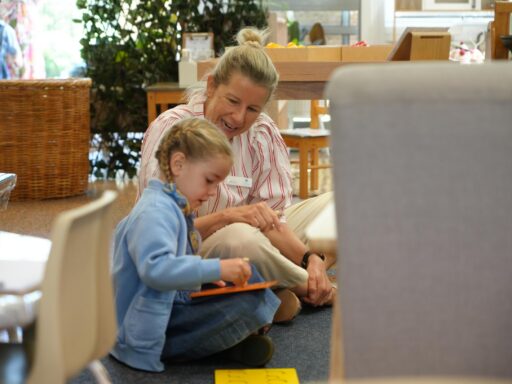
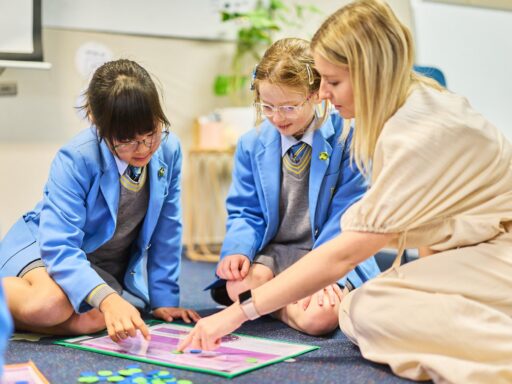
From Junior Kindergarten to Year 6, teachers introduce new learning clearly and carefully. A teacher may model how to form a sentence, demonstrate a mathematical process, revisit important vocabulary or ask girls to recall something they learned earlier in the week.
Breaking learning into manageable steps helps girls experience success without becoming overwhelmed. Regular practice and revisiting previous learning help important knowledge move into long-term memory.
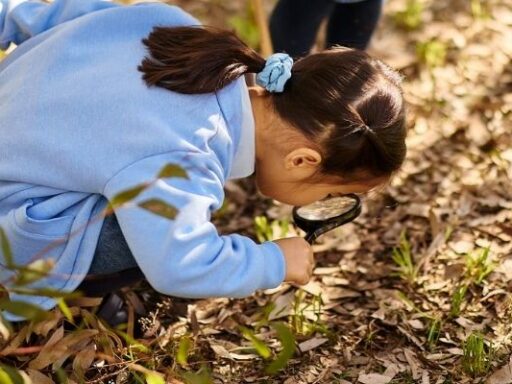
At the same time, teachers remain responsive to the needs of each girl. Some may need further guidance, while others may be ready to extend an idea, investigate a new question or apply their knowledge more independently.
This balance of structure and responsiveness helps girls build secure foundations while maintaining their curiosity and enthusiasm for learning.
Our goal is not only to help girls know more. It is to help them understand how they learn, develop confidence in their abilities and approach new challenges with curiosity.
Developing greater independence in the Senior School
As girls move into Senior School, subjects become more complex and expectations increase. However, the foundations of effective teaching remain the same.
Teachers continue to explain new concepts clearly, break difficult material into manageable stages, revisit previous learning and check that girls have understood before moving forward.
These approaches remain important even as girls become more independent. In fact, complex thinking becomes possible because girls have strong subject knowledge to draw upon.
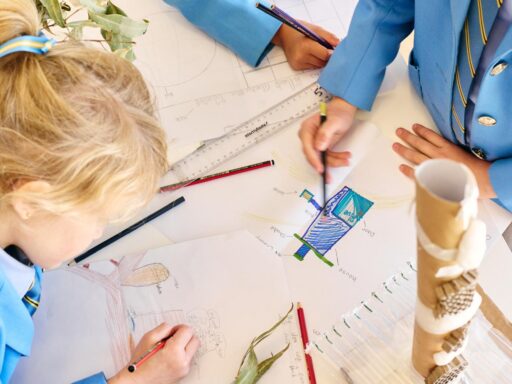
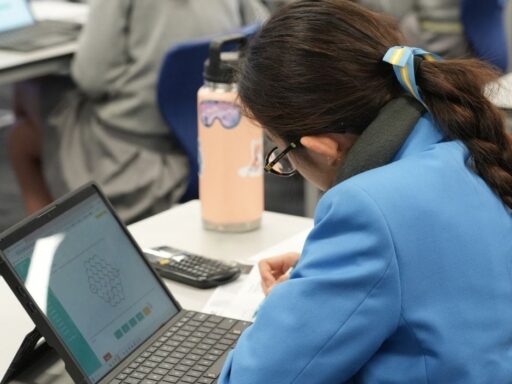
As they progress from Year 7 to Year 12, girls are gradually expected to take greater ownership of their learning. Teachers support them to plan their work, recognise gaps in their understanding, respond to feedback and select study strategies that are effective for the task.
The Art of Teaching lies in knowing when to step in and when to step back.
A teacher may provide additional guidance when a concept is unfamiliar, challenge a girl to extend her thinking or encourage her to persist when learning feels difficult. This responsive approach ensures that support does not limit independence and challenge does not come at the expense of confidence.
A consistent journey from Junior Kindergarten to Year 12
Although teaching looks different in Junior Kindergarten and Year 12, the principles behind it remain consistent.
Across St Hilda’s, the Science of Learning provides an evidence-informed foundation for classroom practice. The Art of Teaching ensures that this evidence is applied with expertise, care and an understanding of each girl.
Together, they allow teachers to provide the right balance of explanation, practice, challenge and independence at every stage of a girl’s education.
The result is learning that prepares our girls not only for assessments and examinations, but for life beyond school. We want them to leave St Hilda’s with strong knowledge, intellectual curiosity and the confidence to keep learning long after Year 12.