
三、四年级

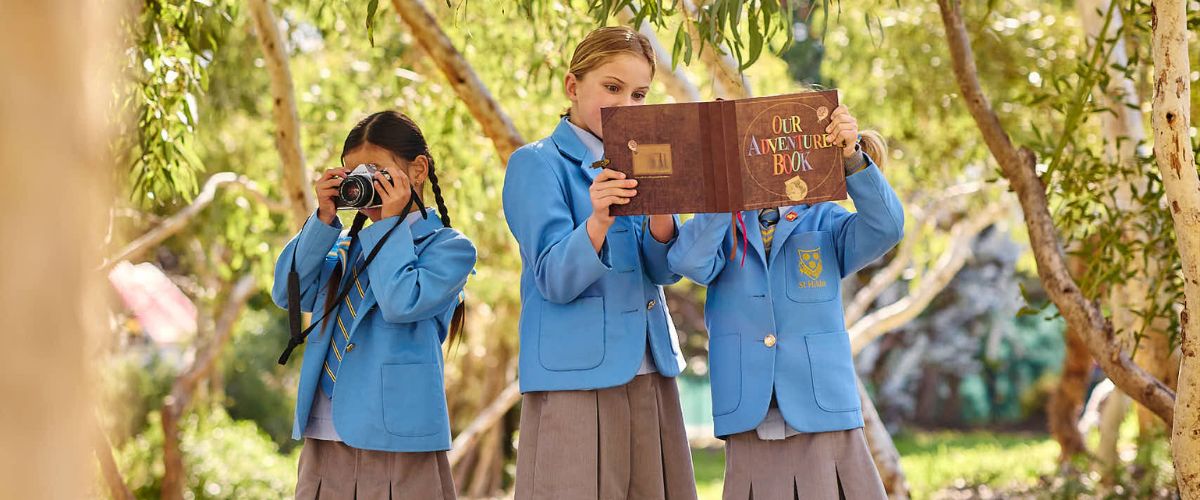
Three girls in blue school uniforms outdoors, one taking a photo while another reads a large adventure book between them.

Year 3 and 4 – The Curious Years

In the middle years of Junior School, students shift from “learning to read” to “reading to learn.” This is the moment when we spark their curiosity through our Units of Curiosity, which foster creativity, critical thinking, innovation, character development and leadership.

Our focus on strong foundations continues in Years 3 and 4, where dedicated literacy and numeracy instruction exceeds mandated hours. This ensures every student strengthens core skills and is well prepared for ongoing enrichment. Shared devices are also introduced at this stage, used thoughtfully to enhance learning when appropriate.

Supported by our 关爱文化, our girls not only ask meaningful questions and develop the skills to solve them, they also build the empathy and motivation to make a positive difference to others.

Our flagship 九年级 "流浪精神 "计划 has now been extended into the Junior School through the introduction of Little Wanderers in Year 3. This initiative is designed to nurture a strong sense of service, compassion and leadership. The timing is intentional, aligning with a key stage of development when students are ready to connect their learning with a deeper purpose.

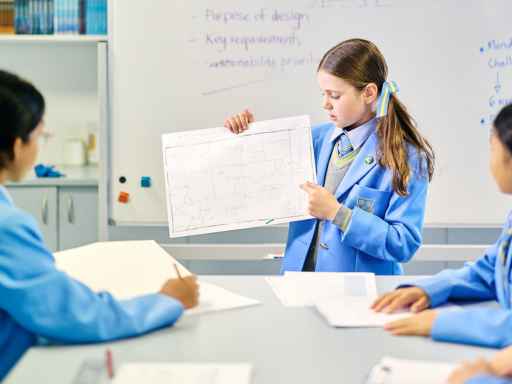
The expansion of ESSTEAM (our Entrepreneurship program) into Year 3 represents an exciting next step in the growth of this world-class initiative. Grounded in the design thinking process, the program teaches students to apply creativity, logic, and empathy to real-world challenges. With deep literacy and numeracy knowledge as their foundation, and deep thinking as their compass, our students are empowered to imagine, create and achieve without limits. 

Year 4 marks the beginning of the two‑year Compass journey, where students from Scotch College and St Hilda’s build teamwork, communication and collaborative skills through shared, co‑educational activities across both campuses. As part of this non‑competitive personal development program, they work together to plan and complete meaningful experiences across the four key areas of Health, Skills, Citizenship and Adventure, helping them form positive relationships and appreciate diverse perspectives.

At St Hilda’s, every girl is known, not just by name, but through a deep understanding of her learning journey. Using intentional data tracking from the earliest years, we develop a rich picture of each student’s progress, strengths and areas for growth. Academic information is paired with insights into wellbeing, engagement and social development, allowing our staff to respond with precision and genuine care. This personalised approach ensures every girl is seen, supported and equipped to thrive.

音乐

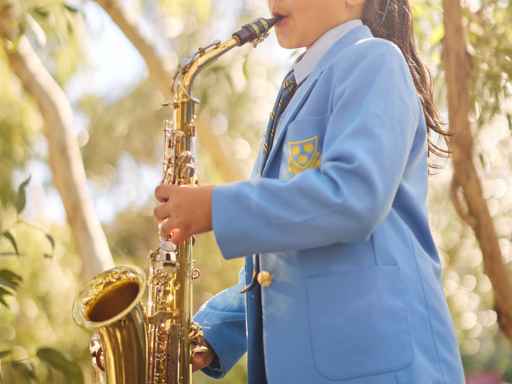
Playing a musical instrument engages all areas of the brain, and at St Hilda’s, we start nurturing musical talent from Junior Kindergarten. Our Junior School music program includes the Primo Strings program for Pre Primary to Year 4, as well as a Choral program for Years 3 to 6, alongside a variety of cocurricular opportunities.

The skills developed through music enhance academic performance, support physical growth, and contribute to emotional wellbeing, fostering well-rounded development in every student.

Specialist Learning Programs

圣希尔达的专业学习课程由专业教师教授,而非任课教师。专业课程的重点是低年级至 12 年级,系主任住在高中部,以便我们的学生在升入高年级时做好充分准备。

Specialist Programs第三年
(sessions per week)
四年级
(sessions per week)
归属感11
法语22
体育22
设计技术11
ESSTEAM 计划11
音乐11
Visual Arts11
Dance / Drama11

Experience a day in the life.

We offer Discovery Days, where your daughter can experience a day in the life of a St Hilda’s student. This will give her the opportunity to make friends and experience what a St Hilda’s education has to offer.

Year 3 to Year 4 Frequently Asked Questions

What makes Years 3 and 4 an important stage of learning?

Years 3 and 4 mark a significant transition from “learning to read” to “reading to learn”. During these years, students develop stronger critical thinking, problem-solving and independent learning skills that support future academic success.

How does St Hilda's support academic growth in Years 3 and 4?

St Hilda’s provides dedicated literacy and numeracy instruction that exceeds mandated curriculum hours, helping students strengthen core skills while building confidence and readiness for future learning.

What are Units of Curiosity?

Units of Curiosity are designed to spark creativity, innovation, critical thinking, leadership and character development. They encourage students to ask meaningful questions, investigate ideas and apply their learning in authentic ways.

How does St Hilda's personalise learning for each student?

Teachers use intentional data tracking alongside wellbeing, engagement and social development insights to understand each student’s strengths and areas for growth. This allows learning to be tailored to individual needs.

What leadership opportunities are available in Years 3 and 4?

Students begin developing leadership skills through inquiry learning, service opportunities and programs such as Little Wanderers, which encourages compassion, responsibility and making a positive impact on others.

What is ESSTEAM and why is it important?

ESSTEAM is St Hilda’s entrepreneurship program, grounded in design thinking. Students learn to combine creativity, empathy and logical thinking to solve real-world problems while developing innovation and future-focused skills.

How does St Hilda's prepare girls for future careers and challenges?

Through entrepreneurship, design thinking, technology, leadership and collaborative learning experiences, students develop adaptability, creativity and problem-solving skills that are increasingly important in a rapidly changing world.

What is the Compass program in Year 4?

Compass is a two-year personal development program that brings together students from St Hilda’s and Scotch College. Through shared activities, students develop teamwork, communication, citizenship and leadership skills while forming positive relationships.

How does St Hilda's support wellbeing in Years 3 and 4?

Through its Culture of Care, St Hilda’s supports students’ academic, social and emotional development, helping girls build empathy, resilience, confidence and strong relationships.

What are the benefits of entrepreneurship education for children?

Entrepreneurship programs help students develop creativity, resilience, innovation, problem-solving and critical thinking skills while encouraging them to identify opportunities and create solutions.